
Twitter Account Finder from Photo: Helping Reduce Catfishing Risks
Online dating has created countless opportunities for people to meet new partners, make meaningful connections, and communicate with people outside their usual social circles. However, meeting someone online also comes with certain risks. Not every dating profile accurately represents the person behind it. Some individuals use outdated photographs, while others may misrepresent their background or use photographs belonging to someone else.
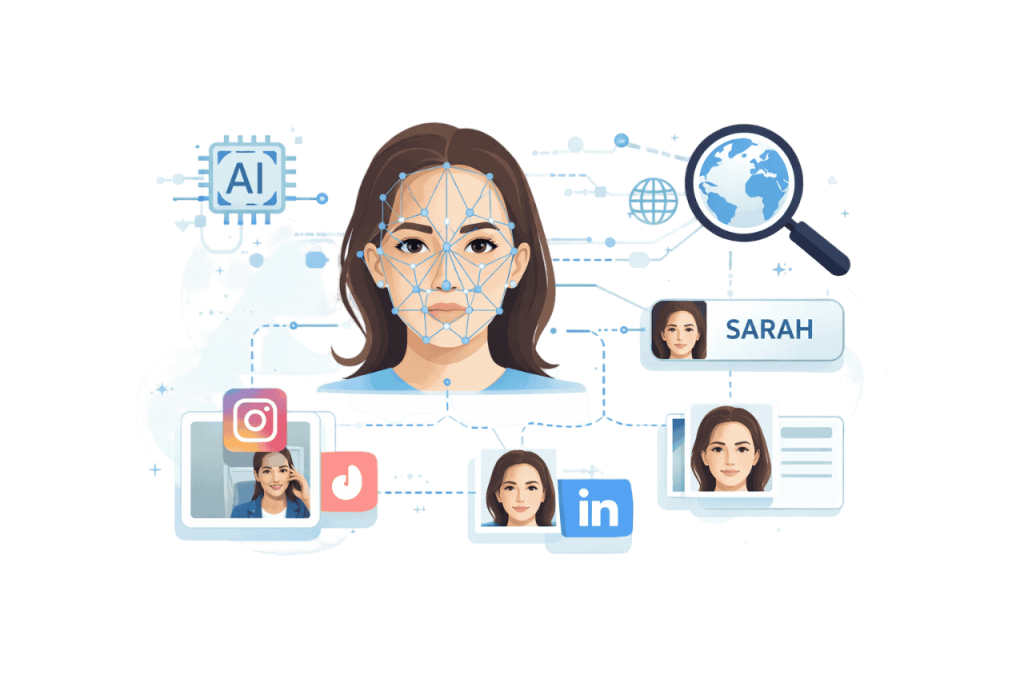
Catfishing is one of the most common concerns in this area. A person may create a convincing online identity and gradually build trust with another individual without revealing who they really are. Taking reasonable steps to verify information can help reduce the possibility of falling for a fake profile. A Twitter account finder from photo can provide an additional way to check a potential social media connection, while Face2social helps users search for social media profiles through profile photographs.
Understanding the Catfishing Problem
Catfishing occurs when someone presents a false identity online. The person may use another individual’s photograph, a fake name, or fabricated personal information to appear genuine.
The reasons behind catfishing can vary. Some people may do it for attention or entertainment, while others may deliberately manipulate someone emotionally or financially. In dating situations, a catfish may spend weeks or months developing trust before asking for money or sensitive information.
Because the person may communicate regularly and appear caring, recognizing the deception can be difficult. This is why paying attention to inconsistencies and taking reasonable verification steps can be valuable.
Why Dating Profile Photos Matter
Photographs are often one of the first things people notice on a dating platform. A profile image can create an immediate impression and influence whether someone decides to start a conversation.
Unfortunately, photographs can also be misused. Someone can copy an attractive image from a social media profile and use it to create a completely different dating identity.
A photograph therefore provides more than just a visual introduction. It can also serve as a useful starting point when you want to gather additional information about an online connection.
Using a Photo as a Search Starting Point
Names and usernames do not always provide enough information to identify someone online. A person may use a nickname, a shortened name, or different usernames on different social media platforms.
A photo-based search offers another approach. A Twitter account finder from photo can help users look for a possible social media profile based on a profile photograph.
If a potential match appears, you can compare the available information with the details shared on the dating profile. This may help you identify whether the overall information appears consistent or whether there are reasons to investigate further.
How Face2social Can Help
Face2social is designed to help users search for social media profiles using profile photographs. This can be useful when you have started communicating with someone through an online dating platform and want additional context before becoming more involved.
Instead of depending entirely on the person’s name or username, you can use their profile photograph as the starting point. A potential social media profile can then be reviewed alongside the dating profile.
The purpose is not to automatically determine whether someone is honest or dishonest. Rather, it gives you another source of information that can support a more informed decision.
Recognizing Potentially Stolen Images
One of the most important warning signs of catfishing is a photograph that appears to belong to someone else. A scammer may copy a profile image and use it to create an attractive but fictional dating identity.
If a Twitter account finder from photo produces a potential profile connected to another name or identity, you may have a reason to pause.
However, a matching photograph alone does not automatically prove that someone is a catfish. People commonly reuse their own photographs across different social media platforms. Therefore, it is important to look at the surrounding information and consider the full context.
Comparing Details Across Profiles
A potential social media profile can provide useful context beyond the photograph itself. When reviewing a possible match, compare general information with what the person has told you.
For example, consider whether their general location, interests, occupation, or other voluntarily shared details appear consistent. If most information aligns, that may reduce some concerns.
On the other hand, multiple major contradictions may deserve attention. If someone’s story changes repeatedly or important details cannot be explained, it may be sensible to slow down.
Keep in mind that one difference does not automatically indicate deception. People’s circumstances can change, and social media profiles may not always be updated.
Outdated Photos Can Cause Problems Too
Catfishing is not the only reason a dating photograph might be misleading. Some people use photographs that are several years old.
An old photograph may not accurately represent someone’s current appearance. While this may not involve malicious intent, it can still create unrealistic expectations before an in-person meeting.
Checking a potential social media profile can sometimes provide additional context about the photographs being used. More recent profile photographs may help you understand whether the dating image is current or outdated.
This can help reduce the chance of disappointment without automatically assuming that the person intended to mislead you.
Pay Attention to Communication Behavior
Photo verification is only one part of identifying potential catfishing. The way someone communicates can also reveal warning signs.
Be cautious if a person repeatedly avoids video calls, refuses reasonable questions, changes their story, or becomes emotionally intense very quickly.
Another serious warning sign is a request for money. If someone you have only met online asks for financial assistance, gift cards, banking information, or passwords, take a step back.
A genuine relationship should not require you to ignore your personal boundaries or financial safety.
Protect Your Own Information
While learning more about another person, remember to protect your own privacy. Avoid sharing sensitive information with someone you have only recently met online.
Passwords, banking details, identification documents, and private addresses should be kept secure. You should also think carefully before sharing personal photographs or information that could be misused.
Trust should develop gradually. Someone who genuinely respects you should understand why you want to maintain reasonable boundaries during the early stages of a relationship.
What to Do When You Notice Warning Signs
Suppose your search produces information that appears inconsistent with the dating profile. You do not need to immediately accuse the person of catfishing.
Instead, consider asking respectful questions and giving yourself time to understand the situation. There may be a legitimate explanation for some differences.
However, if several warning signs appear together, you should not feel obligated to continue the relationship. It is perfectly reasonable to step back when an online connection makes you uncomfortable.
Preparing for a Safe First Meeting
If you eventually decide to meet someone you met online, take basic precautions. Arrange the first meeting in a public location and let a trusted person know where you will be.
Consider arranging your own transportation so you can leave independently if necessary. A video call before meeting can also provide another opportunity to confirm that the person is consistent with their online identity.
Using Face2social can complement these precautions. A Twitter account finder from photo may provide additional context before you decide to move the relationship from online communication to an in-person meeting.
Don’t Treat One Search Result as Proof
It is important to use photo-based searches responsibly. A potential social media match is not absolute proof of someone’s identity or intentions.
Photographs can be reused legitimately, profiles can contain outdated information, and different people can have similar appearances. For this reason, consider multiple pieces of information rather than relying on one result.
The purpose of verification should be to support personal safety and informed decision-making, not to make unsupported accusations.
Building Safer Online Dating Habits
Reducing catfishing risks requires more than one tool. Good online dating habits include taking your time, protecting personal information, recognizing financial requests, and paying attention to inconsistencies.
Face2social can be one useful part of that process. By using a Twitter account finder from photo, users can look for potential social media profiles associated with a profile photograph and compare available information.
This approach can help provide additional context before you become emotionally invested or agree to meet someone offline.
Final Thoughts
Catfishing can turn an exciting online relationship into a difficult and disappointing experience. Fake identities, stolen photographs, outdated images, and misleading personal information can make it challenging to know whether someone is genuinely who they claim to be.
Face2social provides a way to search for potential social media profiles through profile photographs. A Twitter account finder from photo can help users gather additional information, compare profiles, and recognize possible inconsistencies before moving a relationship into real life.
No tool can completely eliminate the risks of online dating. The best protection comes from combining reasonable verification with patience, privacy awareness, clear boundaries, and careful observation. By taking these precautions, you can reduce the chances of falling victim to catfishing while creating a safer environment for genuine online connections.


